

max weiler







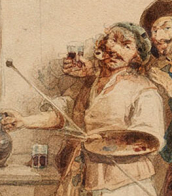
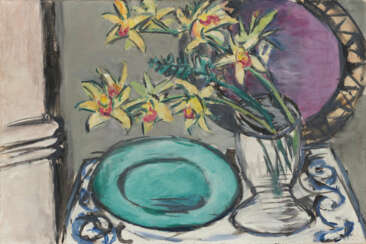

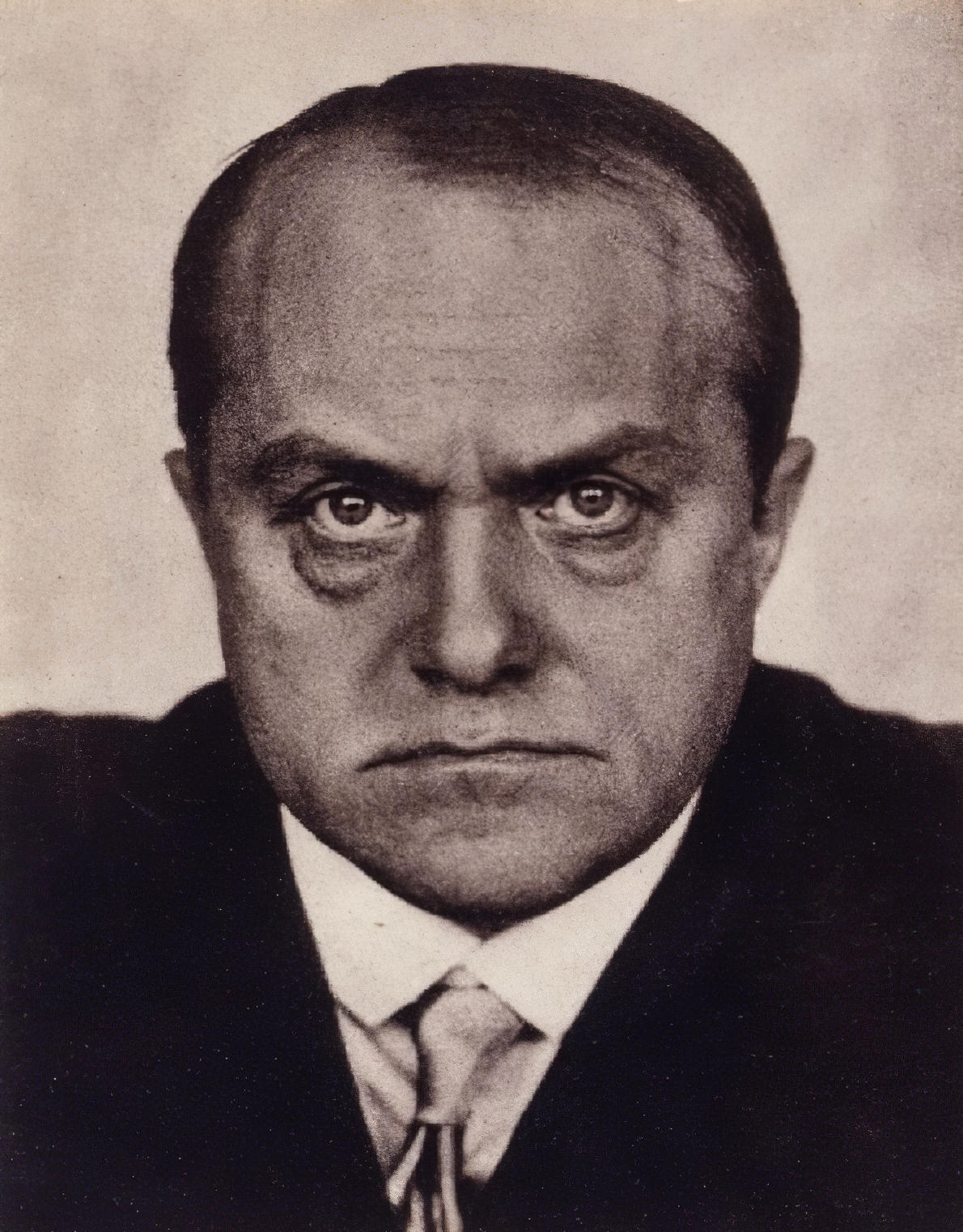
Max Beckmann, a German painter, printmaker, sculptor, and writer, stood out in the early 20th century for his profound contributions to modern art. Beckmann's career spanned a tumultuous period in history, deeply influencing his thematic and stylistic choices. Unlike many of his contemporaries who embraced non-representational painting, Max Beckmann persisted with and evolved the tradition of figurative painting, drawing inspiration from a wide array of artists spanning from Cézanne and Van Gogh to medieval masters like Bosch and Bruegel.
Max Beckmann's experiences, particularly those related to the World Wars, significantly shaped his work. Following Adolf Hitler's rise to power and the subsequent condemnation of modern art as "degenerate," Beckmann fled Germany, spending a decade in self-imposed exile in Amsterdam before eventually relocating to the United States. His art from this period, especially his large triptychs, is considered some of his most potent, offering a stark reflection on humanity and the chaos of the times.
One of Max Beckmann's most personally allegorical works, "Beginning" (1949), encapsulates his knack for blending real and imagined elements from his life to comment on the broader human condition. This piece, alongside others, underscores Beckmann's enduring fascination with the existential struggles modern society faces, teetering between desire and societal roles.
Max Beckmann's legacy is cemented not just by his unique approach to modernism but also by his influence on subsequent generations of artists, particularly in the United States, where he spent his final years teaching and working. Despite a path that often diverged from the mainstream narratives of art history, Beckmann's work continues to resonate, housed in prestigious institutions like The Museum of Modern Art and The Metropolitan Museum of Art in New York.
For collectors and experts in art and antiques, Max Beckmann's oeuvre offers a compelling exploration of 20th-century art and history. To stay informed about new discoveries, sales, and auction events related to Max Beckmann, consider signing up for updates. This subscription ensures access to the latest opportunities to engage with the work of one of modernism's most individual voices.

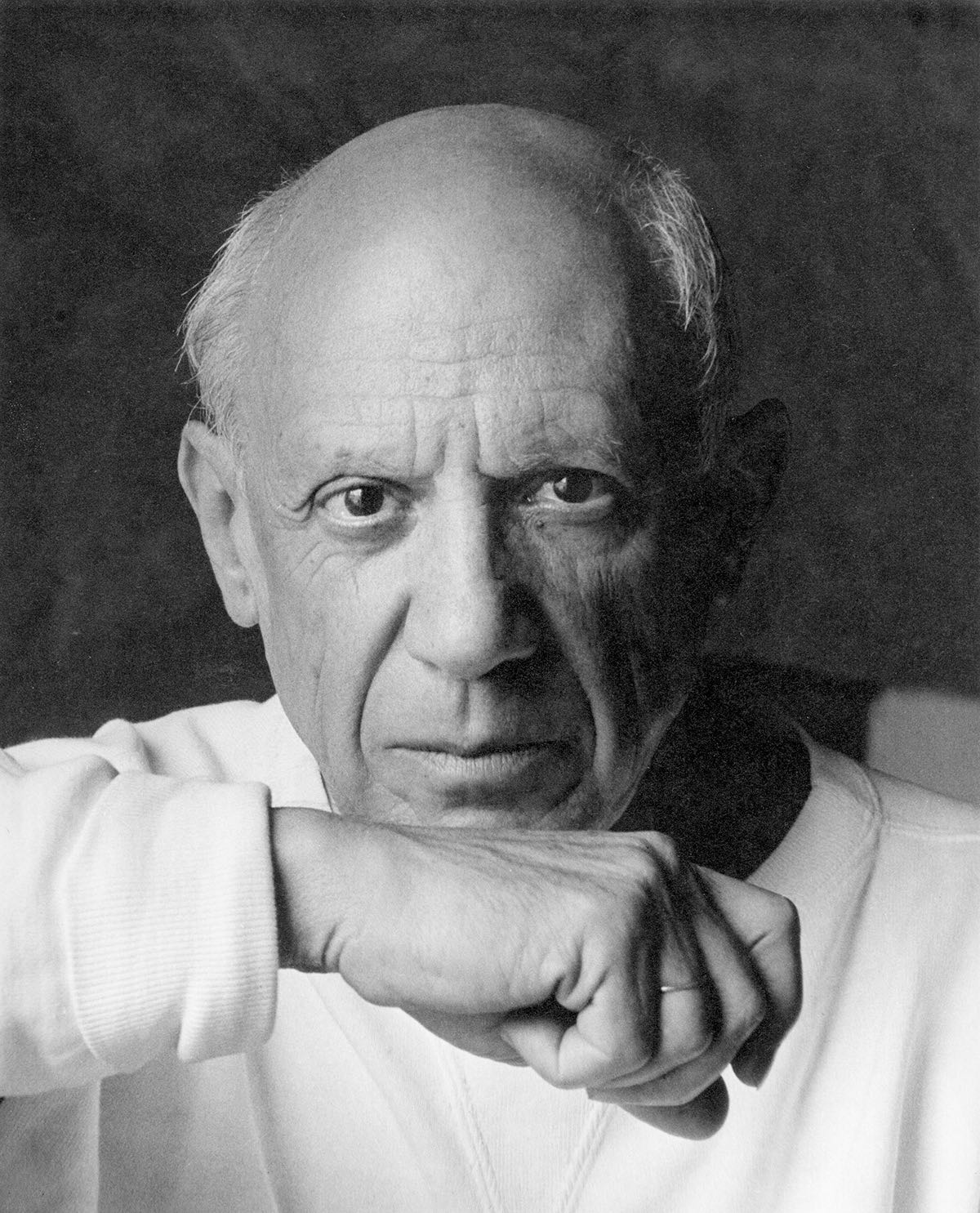
Pablo Ruiz Picasso, a Spanish artist renowned for his revolutionary contributions to the 20th-century art scene, is a figure that resonates profoundly with collectors and art experts. His unique blend of talents in painting, sculpture, printmaking, and ceramic art, infused with his time in France, positioned him as a pivotal character in modern art history.
Picasso's artistic journey was marked by distinct periods, each showcasing his evolving style and genius. His early years were characterized by the Blue Period (1901-1904), followed by the Rose Period (1904-1906), and then the African-influenced Period (1907-1909). Picasso's name is synonymous with Cubism, a movement he co-founded, which significantly altered artistic perspectives and methods. Works like "Les Demoiselles d'Avignon" (1907) and "Guernica" (1937) are emblematic of his cubist legacy, the latter being a poignant anti-war statement that remains influential.
His later years saw a return to more traditional styles, with neoclassical and surrealist influences becoming evident. Works from these phases reflect a deep engagement with mythological themes, as seen in "Faun with Stars" (1955), symbolizing his late-life romance with Jacqueline Roque, his second wife.
Picasso's prolific output and innovative spirit made him a legend in his own time, a status that only grew after his death. His works, housed in major museums and private collections worldwide, continue to captivate and inspire.
As a collector or expert in art and antiques, staying informed about Picasso's works, their auction events, and sales is essential. To stay updated on the latest developments and opportunities related to Pablo Picasso, sign up for our specialized updates. Rest assured, this subscription will focus solely on new product sales and auction events pertaining to Picasso's art, ensuring that you receive only the most relevant and valuable information.
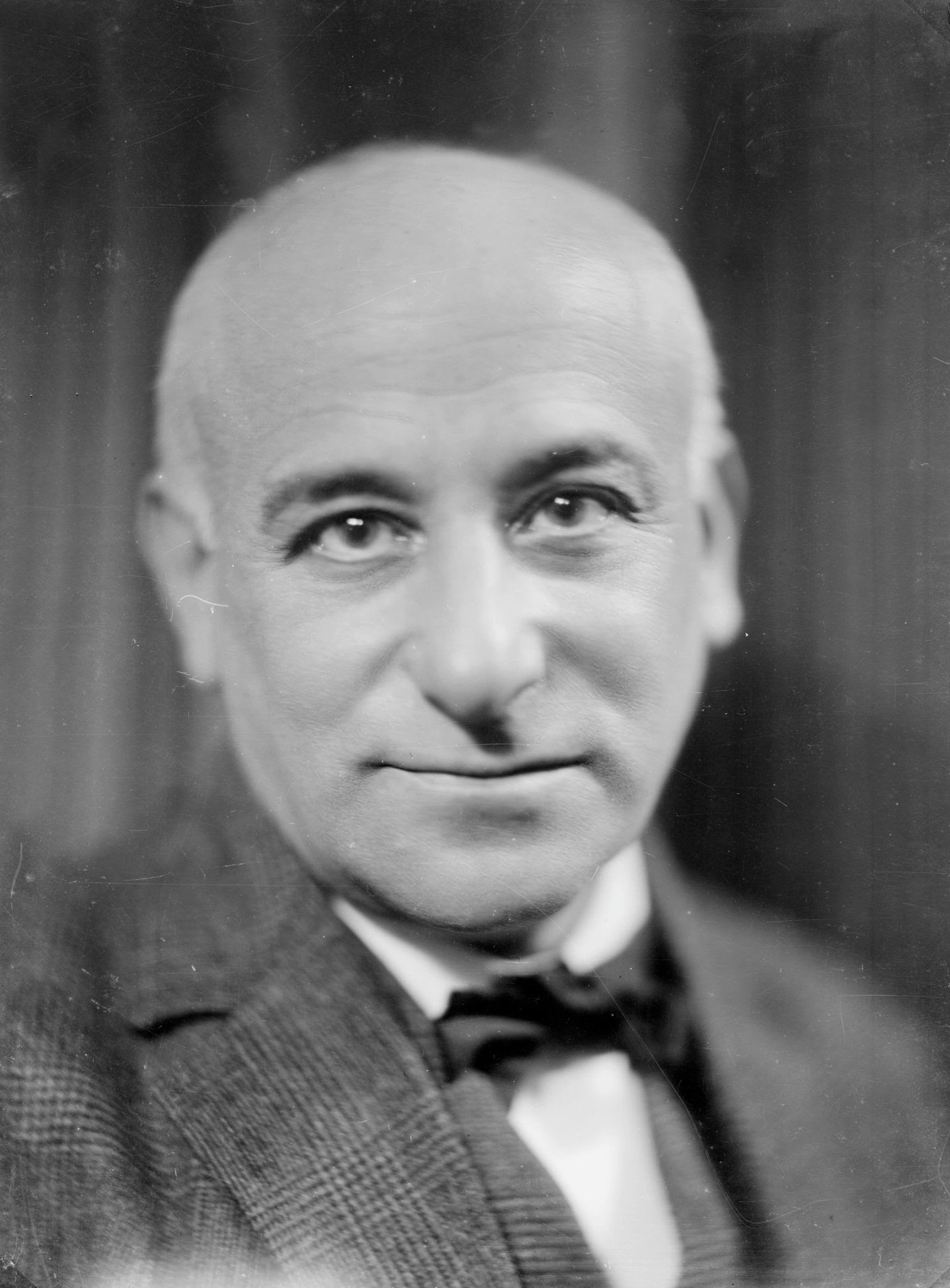
Max Jacob was a French poet, painter, writer, and critic.
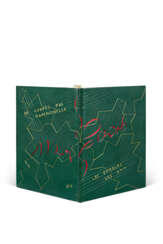

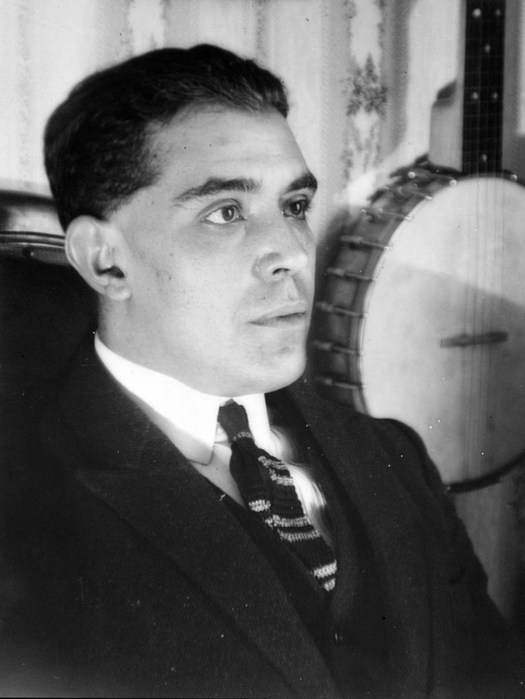
Juan Gris, a Spanish painter and sculptor born José Victoriano Carmelo Carlos González-Pérez in Madrid, is celebrated for his significant contribution to the Cubist movement. Gris moved to Paris in 1906, where he developed a close relationship with notable figures such as Henri Matisse, Georges Braque, Fernand Léger, and Pablo Picasso, adopting the vibrant city as his primary residence and embracing the avant-garde art scene.
In his early years, Gris pursued engineering but quickly shifted his focus to art, demonstrating a natural talent that led him to study under José Moreno Carbonero, a respected artist in Madrid. His artistic journey took a significant turn upon his move to Paris, where he immersed himself in the world of illustration before evolving into a pivotal Cubist painter. Unlike his contemporaries, Picasso and Braque, Gris's Cubist works are known for their bright, harmonious colors and innovative use of papier collé (collage), marking a departure from the more monochromatic style of Analytical Cubism to a more vibrant Synthetic Cubism.
Gris's transition to Synthetic Cubism after 1913, marked by his unique approach to color and composition, set him apart. His works, characterized by their clarity, order, and integration of geometric forms with a distinctive color palette, made significant impacts on both the Purist style and the post-war "return to order" movement. Notable works by Gris are held in prestigious collections worldwide, including "Portrait of Picasso" (1912) at the Art Institute of Chicago and "Still Life before an Open Window, Place Ravignan" (1915) at the Philadelphia Museum of Art, exemplifying his innovative approach to Cubism.
For collectors and experts in art and antiques, Juan Gris remains a figure of immense historical and aesthetic importance, embodying the spirit of innovation and the search for new means of expression that defined the early 20th century. His commitment to exploring the boundaries of Cubism, combined with his unique palette and compositional techniques, continues to inspire and captivate audiences. To stay updated on new product sales and auction events related to Juan Gris, signing up for updates is highly recommended for those with a keen interest in his work and Cubism at large.
Max Jacob was a French poet, painter, writer, and critic.


Pablo Ruiz Picasso, a Spanish artist renowned for his revolutionary contributions to the 20th-century art scene, is a figure that resonates profoundly with collectors and art experts. His unique blend of talents in painting, sculpture, printmaking, and ceramic art, infused with his time in France, positioned him as a pivotal character in modern art history.
Picasso's artistic journey was marked by distinct periods, each showcasing his evolving style and genius. His early years were characterized by the Blue Period (1901-1904), followed by the Rose Period (1904-1906), and then the African-influenced Period (1907-1909). Picasso's name is synonymous with Cubism, a movement he co-founded, which significantly altered artistic perspectives and methods. Works like "Les Demoiselles d'Avignon" (1907) and "Guernica" (1937) are emblematic of his cubist legacy, the latter being a poignant anti-war statement that remains influential.
His later years saw a return to more traditional styles, with neoclassical and surrealist influences becoming evident. Works from these phases reflect a deep engagement with mythological themes, as seen in "Faun with Stars" (1955), symbolizing his late-life romance with Jacqueline Roque, his second wife.
Picasso's prolific output and innovative spirit made him a legend in his own time, a status that only grew after his death. His works, housed in major museums and private collections worldwide, continue to captivate and inspire.
As a collector or expert in art and antiques, staying informed about Picasso's works, their auction events, and sales is essential. To stay updated on the latest developments and opportunities related to Pablo Picasso, sign up for our specialized updates. Rest assured, this subscription will focus solely on new product sales and auction events pertaining to Picasso's art, ensuring that you receive only the most relevant and valuable information.
Max Jacob was a French poet, painter, writer, and critic.
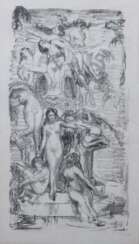

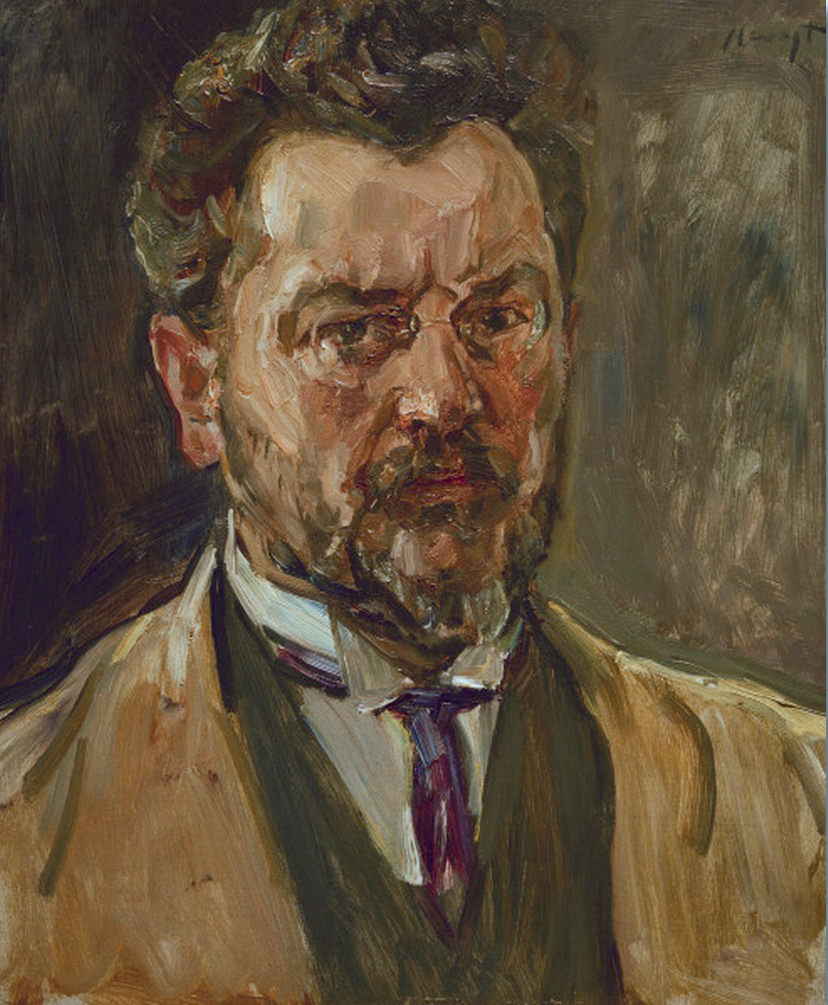
Max Slefogt was a German Impressionist painter and illustrator, best known for his landscapes. He was, together with Lovis Corinth and Max Liebermann, one of the foremost representatives in Germany of the plein air style.
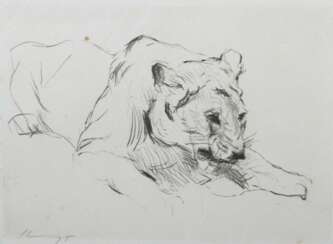

Max Slefogt was a German Impressionist painter and illustrator, best known for his landscapes. He was, together with Lovis Corinth and Max Liebermann, one of the foremost representatives in Germany of the plein air style.
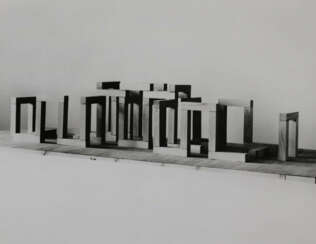

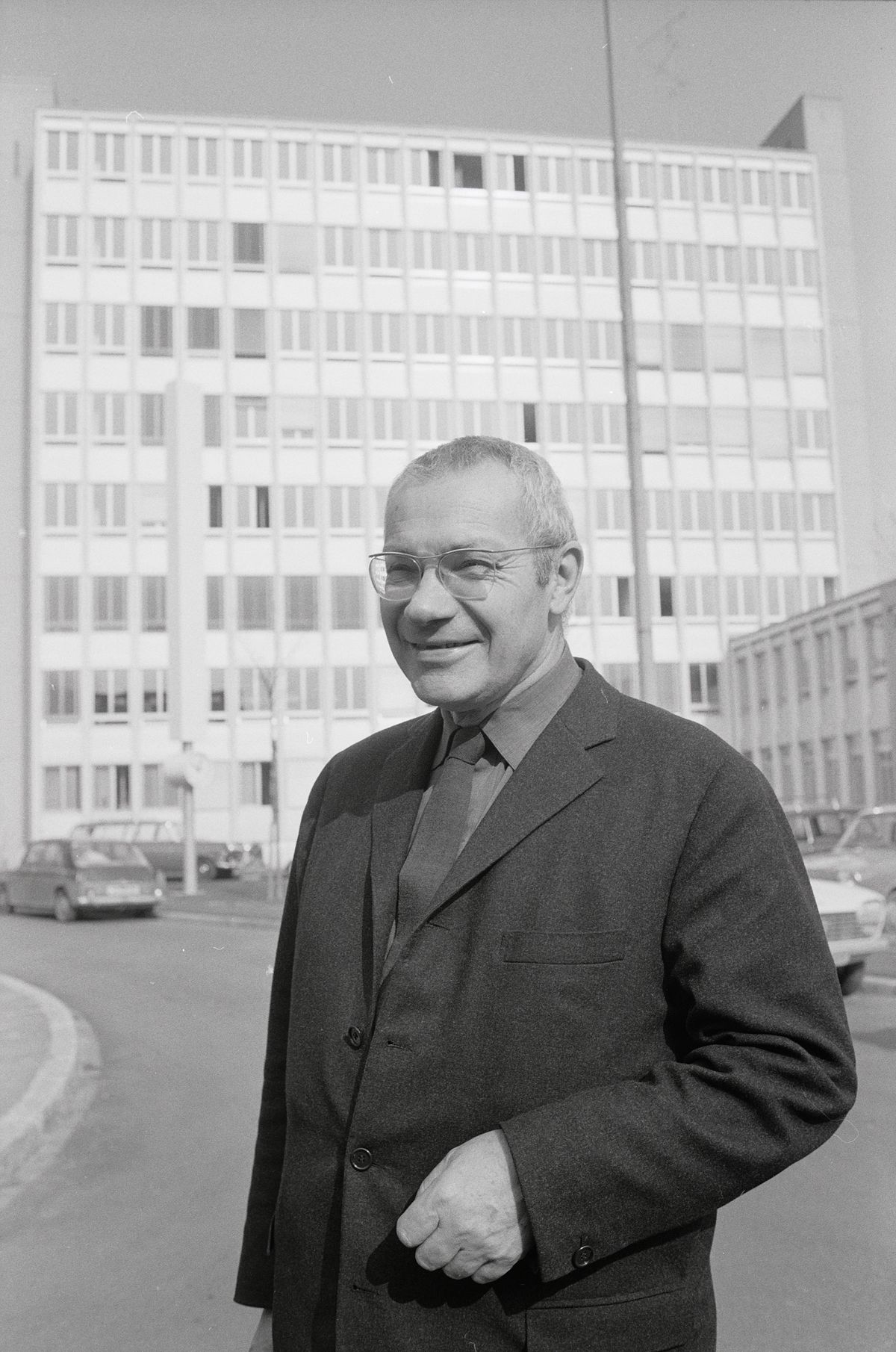
Max Bill, a Swiss artist, architect, painter, typeface designer, industrial designer, and graphic designer, emerged as a key figure in 20th-century art and design. Born in Winterthur, Switzerland, in 1908, Bill's education at the Bauhaus under luminaries like Wassily Kandinsky, Paul Klee, and Oskar Schlemmer profoundly influenced his multidisciplinary approach. His work spans from graphic design, where he was instrumental in shaping Swiss design from the 1950s, to product design with iconic creations like the Ulmer Hocker, a versatile stool designed in 1954.
Bill's contributions to concrete art and his role in founding the Ulm School of Design alongside Inge Aicher-Scholl and Otl Aicher in 1953, mark him as a pioneer who blurred the lines between art, design, and architecture. His theoretical writings and teaching at the Ulm School further underscored his commitment to integrating art with science, shaping a generation of designers and artists.
Noteworthy among his architectural works are his own house and studio built in Zurich-Höngg in the early 1930s and a series of public sculptures that challenge perceptions and engage public spaces in innovative ways. His legacy also includes influential roles in politics, contributions to the field of education, and the establishment of foundations to preserve his work and ideals.
Bill's extensive oeuvre, which also includes timepieces designed for Junghans and a multitude of sculptures, demonstrates his belief in the unity of form and function and the possibility of art to embody the principles of the new physics of the 20th century. His works are not only held in high regard for their aesthetic and functional qualities but also for their ability to convey complex theoretical ideas in tangible forms.
For collectors and experts in art and antiques, Max Bill remains a figure of immense importance, whose works continue to inspire and influence contemporary design and art practices. Sign up for updates related to Max Bill to stay informed about new product sales and auction events showcasing his remarkable contributions to modern art and design.


.jpg)
Max Ernst was a pivotal figure in the 20th-century art world, whose work transcended the boundaries of nationality and genre to leave an indelible mark on culture, art, sculpture, and painting. Born in Germany on April 2, 1891, and later becoming a naturalized American and French citizen, Ernst's career was a testament to his relentless innovation and creativity. Known primarily as an artist and painter, Ernst was a founding member of the Dada movement in Cologne before becoming a major proponent of Surrealism in Paris. His early encounters with the works of Pablo Picasso, Vincent van Gogh, and Paul Gauguin at the Sonderbund exhibition in 1912 deeply influenced his artistic direction, infusing it with elements of Cubism and Expressionism. Despite his lack of formal artistic training, Ernst's experimentation with techniques such as collage and frottage showcased his unique ability to blend the absurd with the sublime, making him a central figure in the artistic avant-garde of his time.
Ernst's work is notable for its exploration of the unconscious, using dreamlike imagery and symbolic figures to critique societal norms and delve into the chaos of the human psyche. His experiences in World War I profoundly impacted his worldview, leading to a deep skepticism of Western culture and an enduring search for meaning through art. This is evident in works such as "Europe After the Rain II," which reflects the devastation of war and "The Fireside Angel," inspired by the political turmoil of the Spanish Civil War, showcasing his ability to address contemporary issues through a surreal lens.
Ernst's contributions to art are preserved in major museums and galleries worldwide, including the Tate in the United Kingdom and the Museum of Modern Art in New York. His sculptures, paintings, and collages continue to be celebrated for their innovative techniques and imaginative scope, marking him as a revolutionary figure in modern art. Among his most significant works are "Ubu Imperator," "The Elephant Celebes," and "The Virgin Spanking the Christ Child before Three Witnesses," each reflecting his mastery over a diversity of mediums and themes.
For collectors and experts in art and antiques, Max Ernst remains a symbol of artistic freedom and exploration. His ability to navigate through various artistic movements while maintaining a distinct, innovative voice is a testament to his enduring legacy in the art world. To stay updated on new product sales and auction events related to Max Ernst, signing up for updates is a valuable opportunity for those deeply invested in the nuances of modern and surreal art.
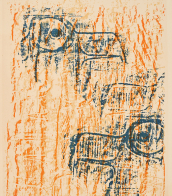
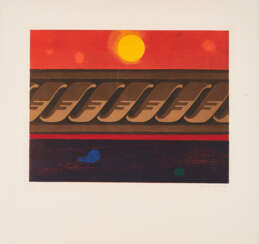

Max Ernst was a pivotal figure in the 20th-century art world, whose work transcended the boundaries of nationality and genre to leave an indelible mark on culture, art, sculpture, and painting. Born in Germany on April 2, 1891, and later becoming a naturalized American and French citizen, Ernst's career was a testament to his relentless innovation and creativity. Known primarily as an artist and painter, Ernst was a founding member of the Dada movement in Cologne before becoming a major proponent of Surrealism in Paris. His early encounters with the works of Pablo Picasso, Vincent van Gogh, and Paul Gauguin at the Sonderbund exhibition in 1912 deeply influenced his artistic direction, infusing it with elements of Cubism and Expressionism. Despite his lack of formal artistic training, Ernst's experimentation with techniques such as collage and frottage showcased his unique ability to blend the absurd with the sublime, making him a central figure in the artistic avant-garde of his time.
Ernst's work is notable for its exploration of the unconscious, using dreamlike imagery and symbolic figures to critique societal norms and delve into the chaos of the human psyche. His experiences in World War I profoundly impacted his worldview, leading to a deep skepticism of Western culture and an enduring search for meaning through art. This is evident in works such as "Europe After the Rain II," which reflects the devastation of war and "The Fireside Angel," inspired by the political turmoil of the Spanish Civil War, showcasing his ability to address contemporary issues through a surreal lens.
Ernst's contributions to art are preserved in major museums and galleries worldwide, including the Tate in the United Kingdom and the Museum of Modern Art in New York. His sculptures, paintings, and collages continue to be celebrated for their innovative techniques and imaginative scope, marking him as a revolutionary figure in modern art. Among his most significant works are "Ubu Imperator," "The Elephant Celebes," and "The Virgin Spanking the Christ Child before Three Witnesses," each reflecting his mastery over a diversity of mediums and themes.
For collectors and experts in art and antiques, Max Ernst remains a symbol of artistic freedom and exploration. His ability to navigate through various artistic movements while maintaining a distinct, innovative voice is a testament to his enduring legacy in the art world. To stay updated on new product sales and auction events related to Max Ernst, signing up for updates is a valuable opportunity for those deeply invested in the nuances of modern and surreal art.


Max Ernst was a pivotal figure in the 20th-century art world, whose work transcended the boundaries of nationality and genre to leave an indelible mark on culture, art, sculpture, and painting. Born in Germany on April 2, 1891, and later becoming a naturalized American and French citizen, Ernst's career was a testament to his relentless innovation and creativity. Known primarily as an artist and painter, Ernst was a founding member of the Dada movement in Cologne before becoming a major proponent of Surrealism in Paris. His early encounters with the works of Pablo Picasso, Vincent van Gogh, and Paul Gauguin at the Sonderbund exhibition in 1912 deeply influenced his artistic direction, infusing it with elements of Cubism and Expressionism. Despite his lack of formal artistic training, Ernst's experimentation with techniques such as collage and frottage showcased his unique ability to blend the absurd with the sublime, making him a central figure in the artistic avant-garde of his time.
Ernst's work is notable for its exploration of the unconscious, using dreamlike imagery and symbolic figures to critique societal norms and delve into the chaos of the human psyche. His experiences in World War I profoundly impacted his worldview, leading to a deep skepticism of Western culture and an enduring search for meaning through art. This is evident in works such as "Europe After the Rain II," which reflects the devastation of war and "The Fireside Angel," inspired by the political turmoil of the Spanish Civil War, showcasing his ability to address contemporary issues through a surreal lens.
Ernst's contributions to art are preserved in major museums and galleries worldwide, including the Tate in the United Kingdom and the Museum of Modern Art in New York. His sculptures, paintings, and collages continue to be celebrated for their innovative techniques and imaginative scope, marking him as a revolutionary figure in modern art. Among his most significant works are "Ubu Imperator," "The Elephant Celebes," and "The Virgin Spanking the Christ Child before Three Witnesses," each reflecting his mastery over a diversity of mediums and themes.
For collectors and experts in art and antiques, Max Ernst remains a symbol of artistic freedom and exploration. His ability to navigate through various artistic movements while maintaining a distinct, innovative voice is a testament to his enduring legacy in the art world. To stay updated on new product sales and auction events related to Max Ernst, signing up for updates is a valuable opportunity for those deeply invested in the nuances of modern and surreal art.


Max Ernst was a pivotal figure in the 20th-century art world, whose work transcended the boundaries of nationality and genre to leave an indelible mark on culture, art, sculpture, and painting. Born in Germany on April 2, 1891, and later becoming a naturalized American and French citizen, Ernst's career was a testament to his relentless innovation and creativity. Known primarily as an artist and painter, Ernst was a founding member of the Dada movement in Cologne before becoming a major proponent of Surrealism in Paris. His early encounters with the works of Pablo Picasso, Vincent van Gogh, and Paul Gauguin at the Sonderbund exhibition in 1912 deeply influenced his artistic direction, infusing it with elements of Cubism and Expressionism. Despite his lack of formal artistic training, Ernst's experimentation with techniques such as collage and frottage showcased his unique ability to blend the absurd with the sublime, making him a central figure in the artistic avant-garde of his time.
Ernst's work is notable for its exploration of the unconscious, using dreamlike imagery and symbolic figures to critique societal norms and delve into the chaos of the human psyche. His experiences in World War I profoundly impacted his worldview, leading to a deep skepticism of Western culture and an enduring search for meaning through art. This is evident in works such as "Europe After the Rain II," which reflects the devastation of war and "The Fireside Angel," inspired by the political turmoil of the Spanish Civil War, showcasing his ability to address contemporary issues through a surreal lens.
Ernst's contributions to art are preserved in major museums and galleries worldwide, including the Tate in the United Kingdom and the Museum of Modern Art in New York. His sculptures, paintings, and collages continue to be celebrated for their innovative techniques and imaginative scope, marking him as a revolutionary figure in modern art. Among his most significant works are "Ubu Imperator," "The Elephant Celebes," and "The Virgin Spanking the Christ Child before Three Witnesses," each reflecting his mastery over a diversity of mediums and themes.
For collectors and experts in art and antiques, Max Ernst remains a symbol of artistic freedom and exploration. His ability to navigate through various artistic movements while maintaining a distinct, innovative voice is a testament to his enduring legacy in the art world. To stay updated on new product sales and auction events related to Max Ernst, signing up for updates is a valuable opportunity for those deeply invested in the nuances of modern and surreal art.
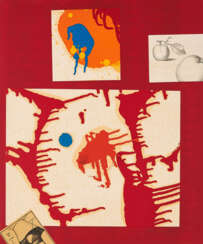

Max Ernst was a pivotal figure in the 20th-century art world, whose work transcended the boundaries of nationality and genre to leave an indelible mark on culture, art, sculpture, and painting. Born in Germany on April 2, 1891, and later becoming a naturalized American and French citizen, Ernst's career was a testament to his relentless innovation and creativity. Known primarily as an artist and painter, Ernst was a founding member of the Dada movement in Cologne before becoming a major proponent of Surrealism in Paris. His early encounters with the works of Pablo Picasso, Vincent van Gogh, and Paul Gauguin at the Sonderbund exhibition in 1912 deeply influenced his artistic direction, infusing it with elements of Cubism and Expressionism. Despite his lack of formal artistic training, Ernst's experimentation with techniques such as collage and frottage showcased his unique ability to blend the absurd with the sublime, making him a central figure in the artistic avant-garde of his time.
Ernst's work is notable for its exploration of the unconscious, using dreamlike imagery and symbolic figures to critique societal norms and delve into the chaos of the human psyche. His experiences in World War I profoundly impacted his worldview, leading to a deep skepticism of Western culture and an enduring search for meaning through art. This is evident in works such as "Europe After the Rain II," which reflects the devastation of war and "The Fireside Angel," inspired by the political turmoil of the Spanish Civil War, showcasing his ability to address contemporary issues through a surreal lens.
Ernst's contributions to art are preserved in major museums and galleries worldwide, including the Tate in the United Kingdom and the Museum of Modern Art in New York. His sculptures, paintings, and collages continue to be celebrated for their innovative techniques and imaginative scope, marking him as a revolutionary figure in modern art. Among his most significant works are "Ubu Imperator," "The Elephant Celebes," and "The Virgin Spanking the Christ Child before Three Witnesses," each reflecting his mastery over a diversity of mediums and themes.
For collectors and experts in art and antiques, Max Ernst remains a symbol of artistic freedom and exploration. His ability to navigate through various artistic movements while maintaining a distinct, innovative voice is a testament to his enduring legacy in the art world. To stay updated on new product sales and auction events related to Max Ernst, signing up for updates is a valuable opportunity for those deeply invested in the nuances of modern and surreal art.


Max Ernst was a pivotal figure in the 20th-century art world, whose work transcended the boundaries of nationality and genre to leave an indelible mark on culture, art, sculpture, and painting. Born in Germany on April 2, 1891, and later becoming a naturalized American and French citizen, Ernst's career was a testament to his relentless innovation and creativity. Known primarily as an artist and painter, Ernst was a founding member of the Dada movement in Cologne before becoming a major proponent of Surrealism in Paris. His early encounters with the works of Pablo Picasso, Vincent van Gogh, and Paul Gauguin at the Sonderbund exhibition in 1912 deeply influenced his artistic direction, infusing it with elements of Cubism and Expressionism. Despite his lack of formal artistic training, Ernst's experimentation with techniques such as collage and frottage showcased his unique ability to blend the absurd with the sublime, making him a central figure in the artistic avant-garde of his time.
Ernst's work is notable for its exploration of the unconscious, using dreamlike imagery and symbolic figures to critique societal norms and delve into the chaos of the human psyche. His experiences in World War I profoundly impacted his worldview, leading to a deep skepticism of Western culture and an enduring search for meaning through art. This is evident in works such as "Europe After the Rain II," which reflects the devastation of war and "The Fireside Angel," inspired by the political turmoil of the Spanish Civil War, showcasing his ability to address contemporary issues through a surreal lens.
Ernst's contributions to art are preserved in major museums and galleries worldwide, including the Tate in the United Kingdom and the Museum of Modern Art in New York. His sculptures, paintings, and collages continue to be celebrated for their innovative techniques and imaginative scope, marking him as a revolutionary figure in modern art. Among his most significant works are "Ubu Imperator," "The Elephant Celebes," and "The Virgin Spanking the Christ Child before Three Witnesses," each reflecting his mastery over a diversity of mediums and themes.
For collectors and experts in art and antiques, Max Ernst remains a symbol of artistic freedom and exploration. His ability to navigate through various artistic movements while maintaining a distinct, innovative voice is a testament to his enduring legacy in the art world. To stay updated on new product sales and auction events related to Max Ernst, signing up for updates is a valuable opportunity for those deeply invested in the nuances of modern and surreal art.
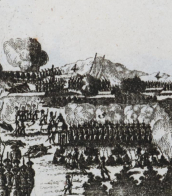


Max Ernst was a pivotal figure in the 20th-century art world, whose work transcended the boundaries of nationality and genre to leave an indelible mark on culture, art, sculpture, and painting. Born in Germany on April 2, 1891, and later becoming a naturalized American and French citizen, Ernst's career was a testament to his relentless innovation and creativity. Known primarily as an artist and painter, Ernst was a founding member of the Dada movement in Cologne before becoming a major proponent of Surrealism in Paris. His early encounters with the works of Pablo Picasso, Vincent van Gogh, and Paul Gauguin at the Sonderbund exhibition in 1912 deeply influenced his artistic direction, infusing it with elements of Cubism and Expressionism. Despite his lack of formal artistic training, Ernst's experimentation with techniques such as collage and frottage showcased his unique ability to blend the absurd with the sublime, making him a central figure in the artistic avant-garde of his time.
Ernst's work is notable for its exploration of the unconscious, using dreamlike imagery and symbolic figures to critique societal norms and delve into the chaos of the human psyche. His experiences in World War I profoundly impacted his worldview, leading to a deep skepticism of Western culture and an enduring search for meaning through art. This is evident in works such as "Europe After the Rain II," which reflects the devastation of war and "The Fireside Angel," inspired by the political turmoil of the Spanish Civil War, showcasing his ability to address contemporary issues through a surreal lens.
Ernst's contributions to art are preserved in major museums and galleries worldwide, including the Tate in the United Kingdom and the Museum of Modern Art in New York. His sculptures, paintings, and collages continue to be celebrated for their innovative techniques and imaginative scope, marking him as a revolutionary figure in modern art. Among his most significant works are "Ubu Imperator," "The Elephant Celebes," and "The Virgin Spanking the Christ Child before Three Witnesses," each reflecting his mastery over a diversity of mediums and themes.
For collectors and experts in art and antiques, Max Ernst remains a symbol of artistic freedom and exploration. His ability to navigate through various artistic movements while maintaining a distinct, innovative voice is a testament to his enduring legacy in the art world. To stay updated on new product sales and auction events related to Max Ernst, signing up for updates is a valuable opportunity for those deeply invested in the nuances of modern and surreal art.
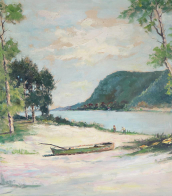
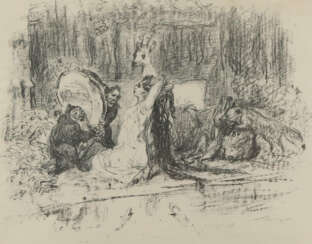

Max Slefogt was a German Impressionist painter and illustrator, best known for his landscapes. He was, together with Lovis Corinth and Max Liebermann, one of the foremost representatives in Germany of the plein air style.
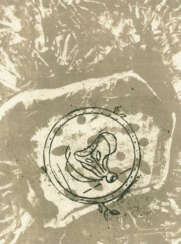

Max Ernst was a pivotal figure in the 20th-century art world, whose work transcended the boundaries of nationality and genre to leave an indelible mark on culture, art, sculpture, and painting. Born in Germany on April 2, 1891, and later becoming a naturalized American and French citizen, Ernst's career was a testament to his relentless innovation and creativity. Known primarily as an artist and painter, Ernst was a founding member of the Dada movement in Cologne before becoming a major proponent of Surrealism in Paris. His early encounters with the works of Pablo Picasso, Vincent van Gogh, and Paul Gauguin at the Sonderbund exhibition in 1912 deeply influenced his artistic direction, infusing it with elements of Cubism and Expressionism. Despite his lack of formal artistic training, Ernst's experimentation with techniques such as collage and frottage showcased his unique ability to blend the absurd with the sublime, making him a central figure in the artistic avant-garde of his time.
Ernst's work is notable for its exploration of the unconscious, using dreamlike imagery and symbolic figures to critique societal norms and delve into the chaos of the human psyche. His experiences in World War I profoundly impacted his worldview, leading to a deep skepticism of Western culture and an enduring search for meaning through art. This is evident in works such as "Europe After the Rain II," which reflects the devastation of war and "The Fireside Angel," inspired by the political turmoil of the Spanish Civil War, showcasing his ability to address contemporary issues through a surreal lens.
Ernst's contributions to art are preserved in major museums and galleries worldwide, including the Tate in the United Kingdom and the Museum of Modern Art in New York. His sculptures, paintings, and collages continue to be celebrated for their innovative techniques and imaginative scope, marking him as a revolutionary figure in modern art. Among his most significant works are "Ubu Imperator," "The Elephant Celebes," and "The Virgin Spanking the Christ Child before Three Witnesses," each reflecting his mastery over a diversity of mediums and themes.
For collectors and experts in art and antiques, Max Ernst remains a symbol of artistic freedom and exploration. His ability to navigate through various artistic movements while maintaining a distinct, innovative voice is a testament to his enduring legacy in the art world. To stay updated on new product sales and auction events related to Max Ernst, signing up for updates is a valuable opportunity for those deeply invested in the nuances of modern and surreal art.
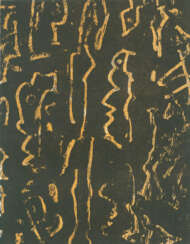

Max Ernst was a pivotal figure in the 20th-century art world, whose work transcended the boundaries of nationality and genre to leave an indelible mark on culture, art, sculpture, and painting. Born in Germany on April 2, 1891, and later becoming a naturalized American and French citizen, Ernst's career was a testament to his relentless innovation and creativity. Known primarily as an artist and painter, Ernst was a founding member of the Dada movement in Cologne before becoming a major proponent of Surrealism in Paris. His early encounters with the works of Pablo Picasso, Vincent van Gogh, and Paul Gauguin at the Sonderbund exhibition in 1912 deeply influenced his artistic direction, infusing it with elements of Cubism and Expressionism. Despite his lack of formal artistic training, Ernst's experimentation with techniques such as collage and frottage showcased his unique ability to blend the absurd with the sublime, making him a central figure in the artistic avant-garde of his time.
Ernst's work is notable for its exploration of the unconscious, using dreamlike imagery and symbolic figures to critique societal norms and delve into the chaos of the human psyche. His experiences in World War I profoundly impacted his worldview, leading to a deep skepticism of Western culture and an enduring search for meaning through art. This is evident in works such as "Europe After the Rain II," which reflects the devastation of war and "The Fireside Angel," inspired by the political turmoil of the Spanish Civil War, showcasing his ability to address contemporary issues through a surreal lens.
Ernst's contributions to art are preserved in major museums and galleries worldwide, including the Tate in the United Kingdom and the Museum of Modern Art in New York. His sculptures, paintings, and collages continue to be celebrated for their innovative techniques and imaginative scope, marking him as a revolutionary figure in modern art. Among his most significant works are "Ubu Imperator," "The Elephant Celebes," and "The Virgin Spanking the Christ Child before Three Witnesses," each reflecting his mastery over a diversity of mediums and themes.
For collectors and experts in art and antiques, Max Ernst remains a symbol of artistic freedom and exploration. His ability to navigate through various artistic movements while maintaining a distinct, innovative voice is a testament to his enduring legacy in the art world. To stay updated on new product sales and auction events related to Max Ernst, signing up for updates is a valuable opportunity for those deeply invested in the nuances of modern and surreal art.

Max Ernst was a pivotal figure in the 20th-century art world, whose work transcended the boundaries of nationality and genre to leave an indelible mark on culture, art, sculpture, and painting. Born in Germany on April 2, 1891, and later becoming a naturalized American and French citizen, Ernst's career was a testament to his relentless innovation and creativity. Known primarily as an artist and painter, Ernst was a founding member of the Dada movement in Cologne before becoming a major proponent of Surrealism in Paris. His early encounters with the works of Pablo Picasso, Vincent van Gogh, and Paul Gauguin at the Sonderbund exhibition in 1912 deeply influenced his artistic direction, infusing it with elements of Cubism and Expressionism. Despite his lack of formal artistic training, Ernst's experimentation with techniques such as collage and frottage showcased his unique ability to blend the absurd with the sublime, making him a central figure in the artistic avant-garde of his time.
Ernst's work is notable for its exploration of the unconscious, using dreamlike imagery and symbolic figures to critique societal norms and delve into the chaos of the human psyche. His experiences in World War I profoundly impacted his worldview, leading to a deep skepticism of Western culture and an enduring search for meaning through art. This is evident in works such as "Europe After the Rain II," which reflects the devastation of war and "The Fireside Angel," inspired by the political turmoil of the Spanish Civil War, showcasing his ability to address contemporary issues through a surreal lens.
Ernst's contributions to art are preserved in major museums and galleries worldwide, including the Tate in the United Kingdom and the Museum of Modern Art in New York. His sculptures, paintings, and collages continue to be celebrated for their innovative techniques and imaginative scope, marking him as a revolutionary figure in modern art. Among his most significant works are "Ubu Imperator," "The Elephant Celebes," and "The Virgin Spanking the Christ Child before Three Witnesses," each reflecting his mastery over a diversity of mediums and themes.
For collectors and experts in art and antiques, Max Ernst remains a symbol of artistic freedom and exploration. His ability to navigate through various artistic movements while maintaining a distinct, innovative voice is a testament to his enduring legacy in the art world. To stay updated on new product sales and auction events related to Max Ernst, signing up for updates is a valuable opportunity for those deeply invested in the nuances of modern and surreal art.
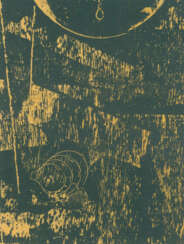

Max Ernst was a pivotal figure in the 20th-century art world, whose work transcended the boundaries of nationality and genre to leave an indelible mark on culture, art, sculpture, and painting. Born in Germany on April 2, 1891, and later becoming a naturalized American and French citizen, Ernst's career was a testament to his relentless innovation and creativity. Known primarily as an artist and painter, Ernst was a founding member of the Dada movement in Cologne before becoming a major proponent of Surrealism in Paris. His early encounters with the works of Pablo Picasso, Vincent van Gogh, and Paul Gauguin at the Sonderbund exhibition in 1912 deeply influenced his artistic direction, infusing it with elements of Cubism and Expressionism. Despite his lack of formal artistic training, Ernst's experimentation with techniques such as collage and frottage showcased his unique ability to blend the absurd with the sublime, making him a central figure in the artistic avant-garde of his time.
Ernst's work is notable for its exploration of the unconscious, using dreamlike imagery and symbolic figures to critique societal norms and delve into the chaos of the human psyche. His experiences in World War I profoundly impacted his worldview, leading to a deep skepticism of Western culture and an enduring search for meaning through art. This is evident in works such as "Europe After the Rain II," which reflects the devastation of war and "The Fireside Angel," inspired by the political turmoil of the Spanish Civil War, showcasing his ability to address contemporary issues through a surreal lens.
Ernst's contributions to art are preserved in major museums and galleries worldwide, including the Tate in the United Kingdom and the Museum of Modern Art in New York. His sculptures, paintings, and collages continue to be celebrated for their innovative techniques and imaginative scope, marking him as a revolutionary figure in modern art. Among his most significant works are "Ubu Imperator," "The Elephant Celebes," and "The Virgin Spanking the Christ Child before Three Witnesses," each reflecting his mastery over a diversity of mediums and themes.
For collectors and experts in art and antiques, Max Ernst remains a symbol of artistic freedom and exploration. His ability to navigate through various artistic movements while maintaining a distinct, innovative voice is a testament to his enduring legacy in the art world. To stay updated on new product sales and auction events related to Max Ernst, signing up for updates is a valuable opportunity for those deeply invested in the nuances of modern and surreal art.
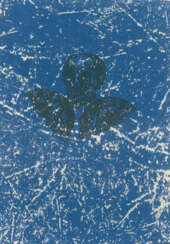

Max Ernst was a pivotal figure in the 20th-century art world, whose work transcended the boundaries of nationality and genre to leave an indelible mark on culture, art, sculpture, and painting. Born in Germany on April 2, 1891, and later becoming a naturalized American and French citizen, Ernst's career was a testament to his relentless innovation and creativity. Known primarily as an artist and painter, Ernst was a founding member of the Dada movement in Cologne before becoming a major proponent of Surrealism in Paris. His early encounters with the works of Pablo Picasso, Vincent van Gogh, and Paul Gauguin at the Sonderbund exhibition in 1912 deeply influenced his artistic direction, infusing it with elements of Cubism and Expressionism. Despite his lack of formal artistic training, Ernst's experimentation with techniques such as collage and frottage showcased his unique ability to blend the absurd with the sublime, making him a central figure in the artistic avant-garde of his time.
Ernst's work is notable for its exploration of the unconscious, using dreamlike imagery and symbolic figures to critique societal norms and delve into the chaos of the human psyche. His experiences in World War I profoundly impacted his worldview, leading to a deep skepticism of Western culture and an enduring search for meaning through art. This is evident in works such as "Europe After the Rain II," which reflects the devastation of war and "The Fireside Angel," inspired by the political turmoil of the Spanish Civil War, showcasing his ability to address contemporary issues through a surreal lens.
Ernst's contributions to art are preserved in major museums and galleries worldwide, including the Tate in the United Kingdom and the Museum of Modern Art in New York. His sculptures, paintings, and collages continue to be celebrated for their innovative techniques and imaginative scope, marking him as a revolutionary figure in modern art. Among his most significant works are "Ubu Imperator," "The Elephant Celebes," and "The Virgin Spanking the Christ Child before Three Witnesses," each reflecting his mastery over a diversity of mediums and themes.
For collectors and experts in art and antiques, Max Ernst remains a symbol of artistic freedom and exploration. His ability to navigate through various artistic movements while maintaining a distinct, innovative voice is a testament to his enduring legacy in the art world. To stay updated on new product sales and auction events related to Max Ernst, signing up for updates is a valuable opportunity for those deeply invested in the nuances of modern and surreal art.
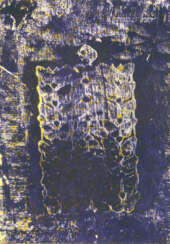

Max Ernst was a pivotal figure in the 20th-century art world, whose work transcended the boundaries of nationality and genre to leave an indelible mark on culture, art, sculpture, and painting. Born in Germany on April 2, 1891, and later becoming a naturalized American and French citizen, Ernst's career was a testament to his relentless innovation and creativity. Known primarily as an artist and painter, Ernst was a founding member of the Dada movement in Cologne before becoming a major proponent of Surrealism in Paris. His early encounters with the works of Pablo Picasso, Vincent van Gogh, and Paul Gauguin at the Sonderbund exhibition in 1912 deeply influenced his artistic direction, infusing it with elements of Cubism and Expressionism. Despite his lack of formal artistic training, Ernst's experimentation with techniques such as collage and frottage showcased his unique ability to blend the absurd with the sublime, making him a central figure in the artistic avant-garde of his time.
Ernst's work is notable for its exploration of the unconscious, using dreamlike imagery and symbolic figures to critique societal norms and delve into the chaos of the human psyche. His experiences in World War I profoundly impacted his worldview, leading to a deep skepticism of Western culture and an enduring search for meaning through art. This is evident in works such as "Europe After the Rain II," which reflects the devastation of war and "The Fireside Angel," inspired by the political turmoil of the Spanish Civil War, showcasing his ability to address contemporary issues through a surreal lens.
Ernst's contributions to art are preserved in major museums and galleries worldwide, including the Tate in the United Kingdom and the Museum of Modern Art in New York. His sculptures, paintings, and collages continue to be celebrated for their innovative techniques and imaginative scope, marking him as a revolutionary figure in modern art. Among his most significant works are "Ubu Imperator," "The Elephant Celebes," and "The Virgin Spanking the Christ Child before Three Witnesses," each reflecting his mastery over a diversity of mediums and themes.
For collectors and experts in art and antiques, Max Ernst remains a symbol of artistic freedom and exploration. His ability to navigate through various artistic movements while maintaining a distinct, innovative voice is a testament to his enduring legacy in the art world. To stay updated on new product sales and auction events related to Max Ernst, signing up for updates is a valuable opportunity for those deeply invested in the nuances of modern and surreal art.
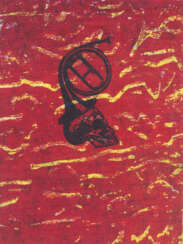

Max Ernst was a pivotal figure in the 20th-century art world, whose work transcended the boundaries of nationality and genre to leave an indelible mark on culture, art, sculpture, and painting. Born in Germany on April 2, 1891, and later becoming a naturalized American and French citizen, Ernst's career was a testament to his relentless innovation and creativity. Known primarily as an artist and painter, Ernst was a founding member of the Dada movement in Cologne before becoming a major proponent of Surrealism in Paris. His early encounters with the works of Pablo Picasso, Vincent van Gogh, and Paul Gauguin at the Sonderbund exhibition in 1912 deeply influenced his artistic direction, infusing it with elements of Cubism and Expressionism. Despite his lack of formal artistic training, Ernst's experimentation with techniques such as collage and frottage showcased his unique ability to blend the absurd with the sublime, making him a central figure in the artistic avant-garde of his time.
Ernst's work is notable for its exploration of the unconscious, using dreamlike imagery and symbolic figures to critique societal norms and delve into the chaos of the human psyche. His experiences in World War I profoundly impacted his worldview, leading to a deep skepticism of Western culture and an enduring search for meaning through art. This is evident in works such as "Europe After the Rain II," which reflects the devastation of war and "The Fireside Angel," inspired by the political turmoil of the Spanish Civil War, showcasing his ability to address contemporary issues through a surreal lens.
Ernst's contributions to art are preserved in major museums and galleries worldwide, including the Tate in the United Kingdom and the Museum of Modern Art in New York. His sculptures, paintings, and collages continue to be celebrated for their innovative techniques and imaginative scope, marking him as a revolutionary figure in modern art. Among his most significant works are "Ubu Imperator," "The Elephant Celebes," and "The Virgin Spanking the Christ Child before Three Witnesses," each reflecting his mastery over a diversity of mediums and themes.
For collectors and experts in art and antiques, Max Ernst remains a symbol of artistic freedom and exploration. His ability to navigate through various artistic movements while maintaining a distinct, innovative voice is a testament to his enduring legacy in the art world. To stay updated on new product sales and auction events related to Max Ernst, signing up for updates is a valuable opportunity for those deeply invested in the nuances of modern and surreal art.
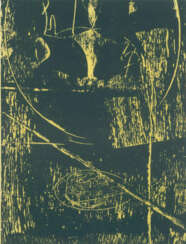

Max Ernst was a pivotal figure in the 20th-century art world, whose work transcended the boundaries of nationality and genre to leave an indelible mark on culture, art, sculpture, and painting. Born in Germany on April 2, 1891, and later becoming a naturalized American and French citizen, Ernst's career was a testament to his relentless innovation and creativity. Known primarily as an artist and painter, Ernst was a founding member of the Dada movement in Cologne before becoming a major proponent of Surrealism in Paris. His early encounters with the works of Pablo Picasso, Vincent van Gogh, and Paul Gauguin at the Sonderbund exhibition in 1912 deeply influenced his artistic direction, infusing it with elements of Cubism and Expressionism. Despite his lack of formal artistic training, Ernst's experimentation with techniques such as collage and frottage showcased his unique ability to blend the absurd with the sublime, making him a central figure in the artistic avant-garde of his time.
Ernst's work is notable for its exploration of the unconscious, using dreamlike imagery and symbolic figures to critique societal norms and delve into the chaos of the human psyche. His experiences in World War I profoundly impacted his worldview, leading to a deep skepticism of Western culture and an enduring search for meaning through art. This is evident in works such as "Europe After the Rain II," which reflects the devastation of war and "The Fireside Angel," inspired by the political turmoil of the Spanish Civil War, showcasing his ability to address contemporary issues through a surreal lens.
Ernst's contributions to art are preserved in major museums and galleries worldwide, including the Tate in the United Kingdom and the Museum of Modern Art in New York. His sculptures, paintings, and collages continue to be celebrated for their innovative techniques and imaginative scope, marking him as a revolutionary figure in modern art. Among his most significant works are "Ubu Imperator," "The Elephant Celebes," and "The Virgin Spanking the Christ Child before Three Witnesses," each reflecting his mastery over a diversity of mediums and themes.
For collectors and experts in art and antiques, Max Ernst remains a symbol of artistic freedom and exploration. His ability to navigate through various artistic movements while maintaining a distinct, innovative voice is a testament to his enduring legacy in the art world. To stay updated on new product sales and auction events related to Max Ernst, signing up for updates is a valuable opportunity for those deeply invested in the nuances of modern and surreal art.
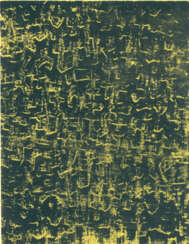

Max Ernst was a pivotal figure in the 20th-century art world, whose work transcended the boundaries of nationality and genre to leave an indelible mark on culture, art, sculpture, and painting. Born in Germany on April 2, 1891, and later becoming a naturalized American and French citizen, Ernst's career was a testament to his relentless innovation and creativity. Known primarily as an artist and painter, Ernst was a founding member of the Dada movement in Cologne before becoming a major proponent of Surrealism in Paris. His early encounters with the works of Pablo Picasso, Vincent van Gogh, and Paul Gauguin at the Sonderbund exhibition in 1912 deeply influenced his artistic direction, infusing it with elements of Cubism and Expressionism. Despite his lack of formal artistic training, Ernst's experimentation with techniques such as collage and frottage showcased his unique ability to blend the absurd with the sublime, making him a central figure in the artistic avant-garde of his time.
Ernst's work is notable for its exploration of the unconscious, using dreamlike imagery and symbolic figures to critique societal norms and delve into the chaos of the human psyche. His experiences in World War I profoundly impacted his worldview, leading to a deep skepticism of Western culture and an enduring search for meaning through art. This is evident in works such as "Europe After the Rain II," which reflects the devastation of war and "The Fireside Angel," inspired by the political turmoil of the Spanish Civil War, showcasing his ability to address contemporary issues through a surreal lens.
Ernst's contributions to art are preserved in major museums and galleries worldwide, including the Tate in the United Kingdom and the Museum of Modern Art in New York. His sculptures, paintings, and collages continue to be celebrated for their innovative techniques and imaginative scope, marking him as a revolutionary figure in modern art. Among his most significant works are "Ubu Imperator," "The Elephant Celebes," and "The Virgin Spanking the Christ Child before Three Witnesses," each reflecting his mastery over a diversity of mediums and themes.
For collectors and experts in art and antiques, Max Ernst remains a symbol of artistic freedom and exploration. His ability to navigate through various artistic movements while maintaining a distinct, innovative voice is a testament to his enduring legacy in the art world. To stay updated on new product sales and auction events related to Max Ernst, signing up for updates is a valuable opportunity for those deeply invested in the nuances of modern and surreal art.